

History of Administration: Ancient Mesopotamia
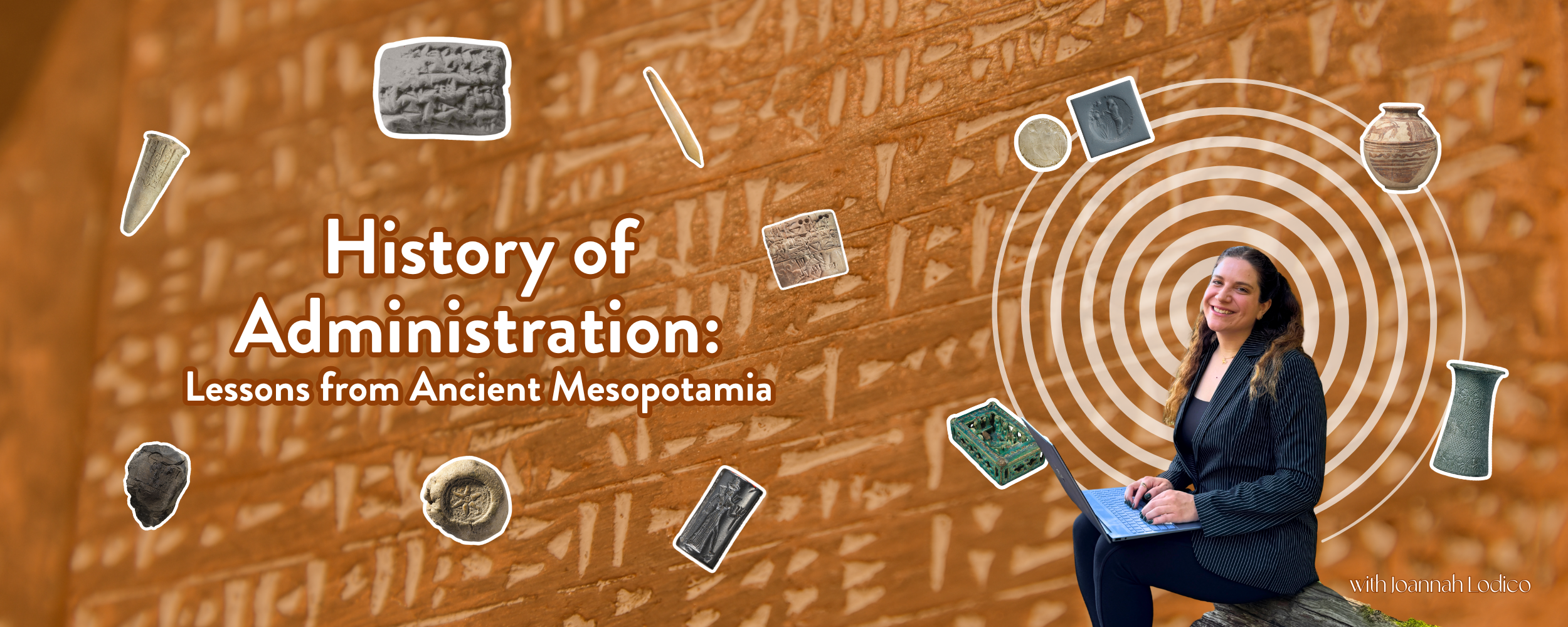
The Spreadsheets of Antiquity: Lessons from Ancient Mesopotamia
How do you keep track of a civilization? Long before cloud storage and digital dashboards, the people of ancient Mesopotamia were facing the same challenges we face today: the need for order, the desire for clarity, and the necessity of record-keeping. They didn't just manage tasks. They built the foundation of how we organize our world.
The Birth of the Stylus: From Pictographs to Phonetics
In Sumer, around 3200 BCE, the first system of writing was born. It was called Cuneiform. Scribes used a reed stylus to press wedge-shaped marks into damp clay tablets.
What began as simple pictographs evolved into a complex phonetic system. This was not just art. It was an operational breakthrough. It allowed humans to move information out of their minds and onto a medium that could be stored, shared, and referenced.
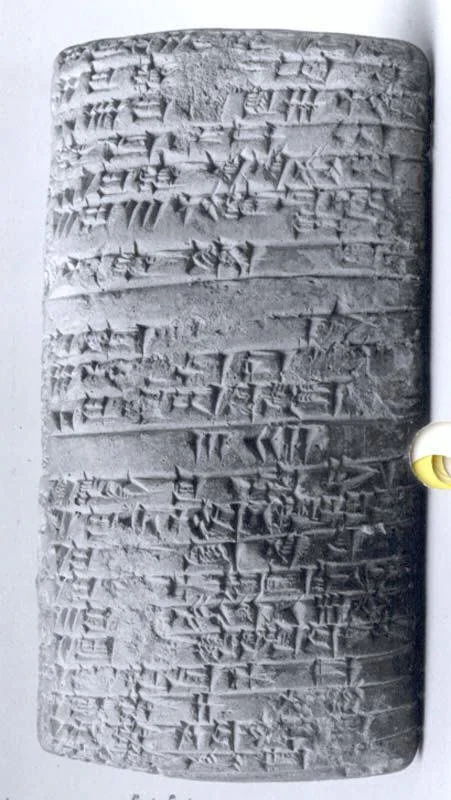
Cuneiform tablet: balanced account of Dugga
from the Metropolitan Museum of Art
Scribes, Priests, and Merchants: The Role of the Recorder
We often think of "data" as a modern invention. In Mesopotamia, the scribe were elite data managers. Trained in temple schools, these individuals were the keepers of the system. Priests used writing for rituals and governance and Merchants tracked trade, debts, and inventory. They all ensured that the complex "business" of a city-state ran smoothly.
Clay Tablets: The Original Data Management
The scribe’s clay tablets functioned much like our modern spreadsheets. They used these tools to manage every aspect of civic and commercial life:
Economic Records: They tracked receipts, contracts, tax records, and inventories with meticulous detail.
Legal Clarity: Land ownership and marriage contracts were codified to ensure every party understood their rights.
Astronomical Logs: They recorded planetary movements and constellations, proving that observation is the first step toward understanding.
Literature: Gilgamesh and religious texts.
Standardizing the Message: Early Style Guides
Ancient scribes understood that data is only useful if it is consistent. To ensure clarity, they developed sophisticated methods for verification and standardization.
Lexical Lists: These were the world's first style guides. Scribes created extensive dictionaries and symbol glossaries. This allowed people from different regions to communicate with the same visual vocabulary. It removed the guesswork from their operations.
Security and Verification: Trust was built into the system. They used cylinder seals and even thumbprints to validate clay tablets. This ensured that records were authentic and could not be easily changed. It was the ancient version of a secure digital signature.
The Source of Truth: By creating duplicate tablets, one for each party, they established a shared reality. This prevented disputes and provided a clear path forward for merchants and officials alike.

Why History Matters for Your Business
Looking back at Mesopotamia reminds us that administration is a human tradition. It is the act of creating order so that culture and commerce can flourish. Whether you are using a stylus on clay or a keyboard in a Notion dashboard, the goal remains the same: to create a system that supports your purpose and reduces the burden of memory.
Key Takeaways
Administration is foundational: Order is required for any civilization (or business) to grow.
Standardization creates ease: Early glossaries and duplicate records prevented chaos.
Visual tools matter: Moving data into a physical (or digital) format allows for higher-level thinking.
Related Reading
Take the Next Step
Ready to build a system that stands the test of time?
Subscribe: Sign up for our newsletter to get seasonal insights on history and operations.
Contact: Let’s discuss how to bring Mesopotamian-level clarity to your modern workflows.
Follow: Join us on Instagram as we continue our journey through the History of Administration. 🌬️📜